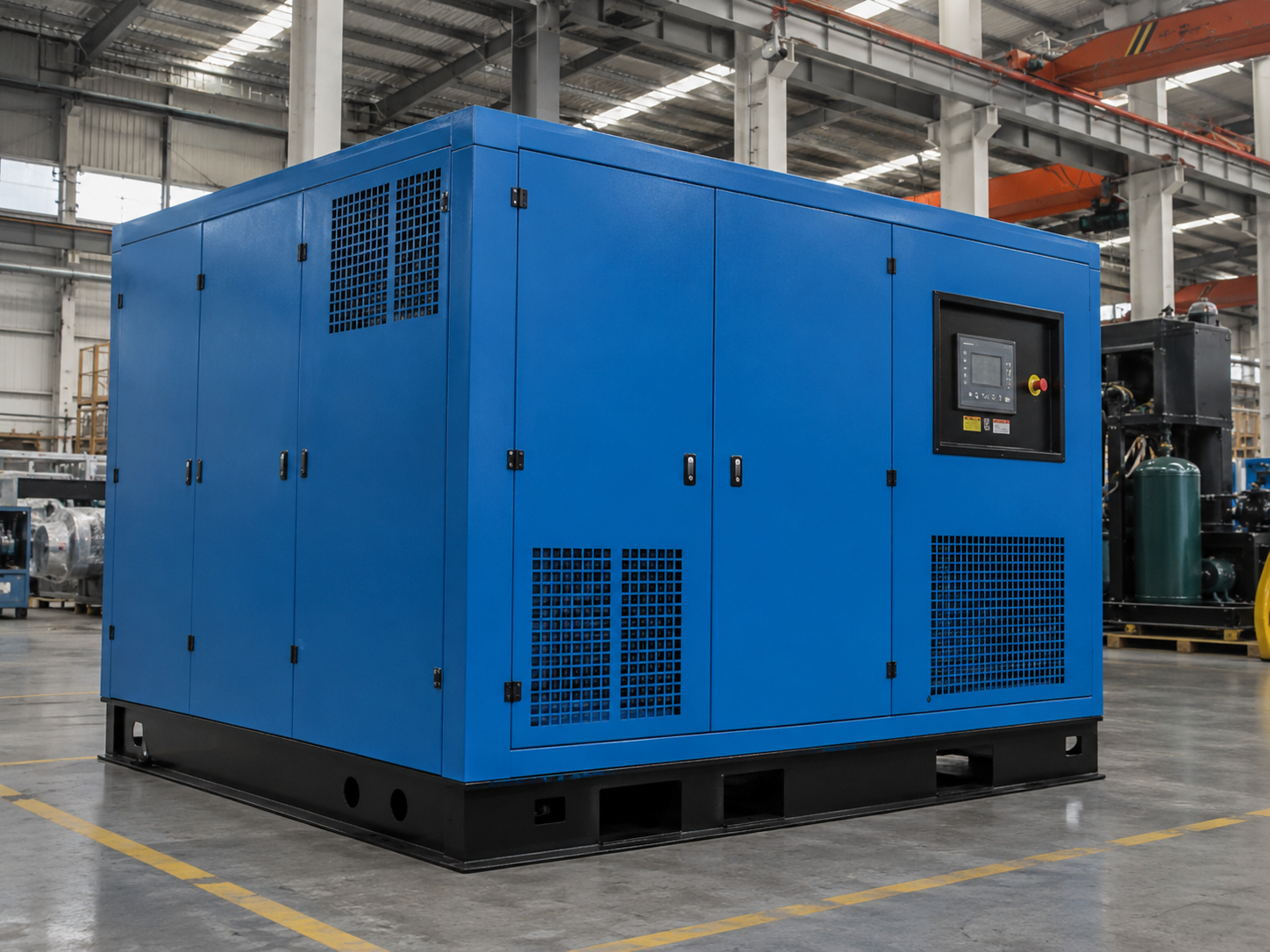
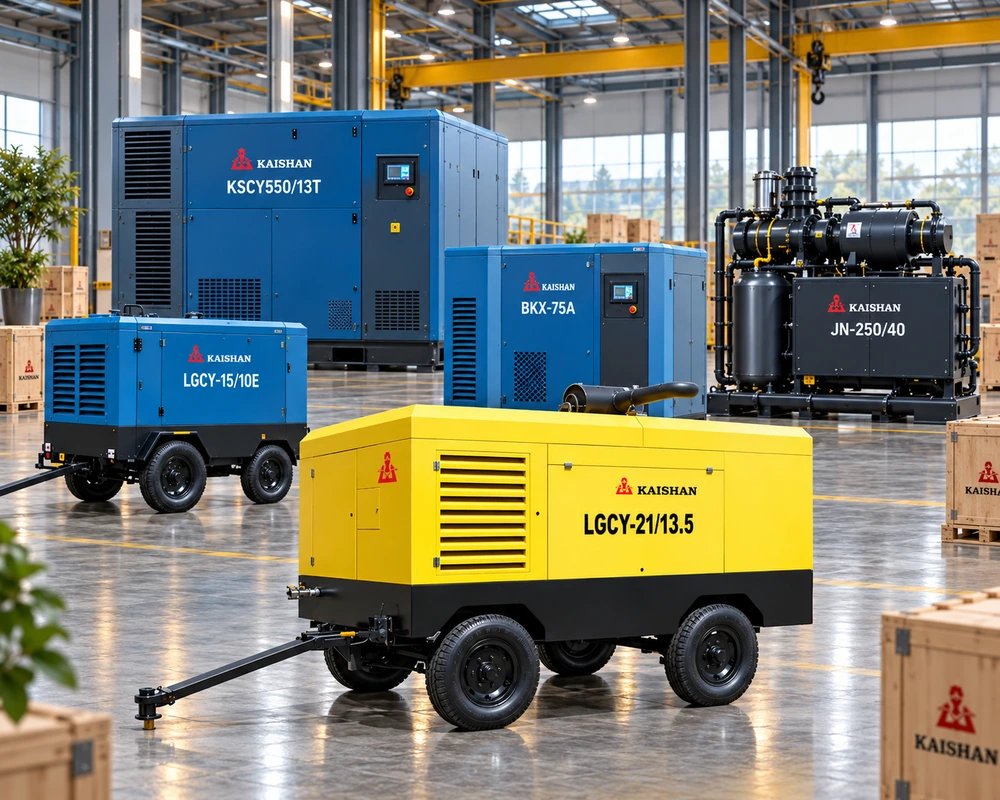
Air Compressors
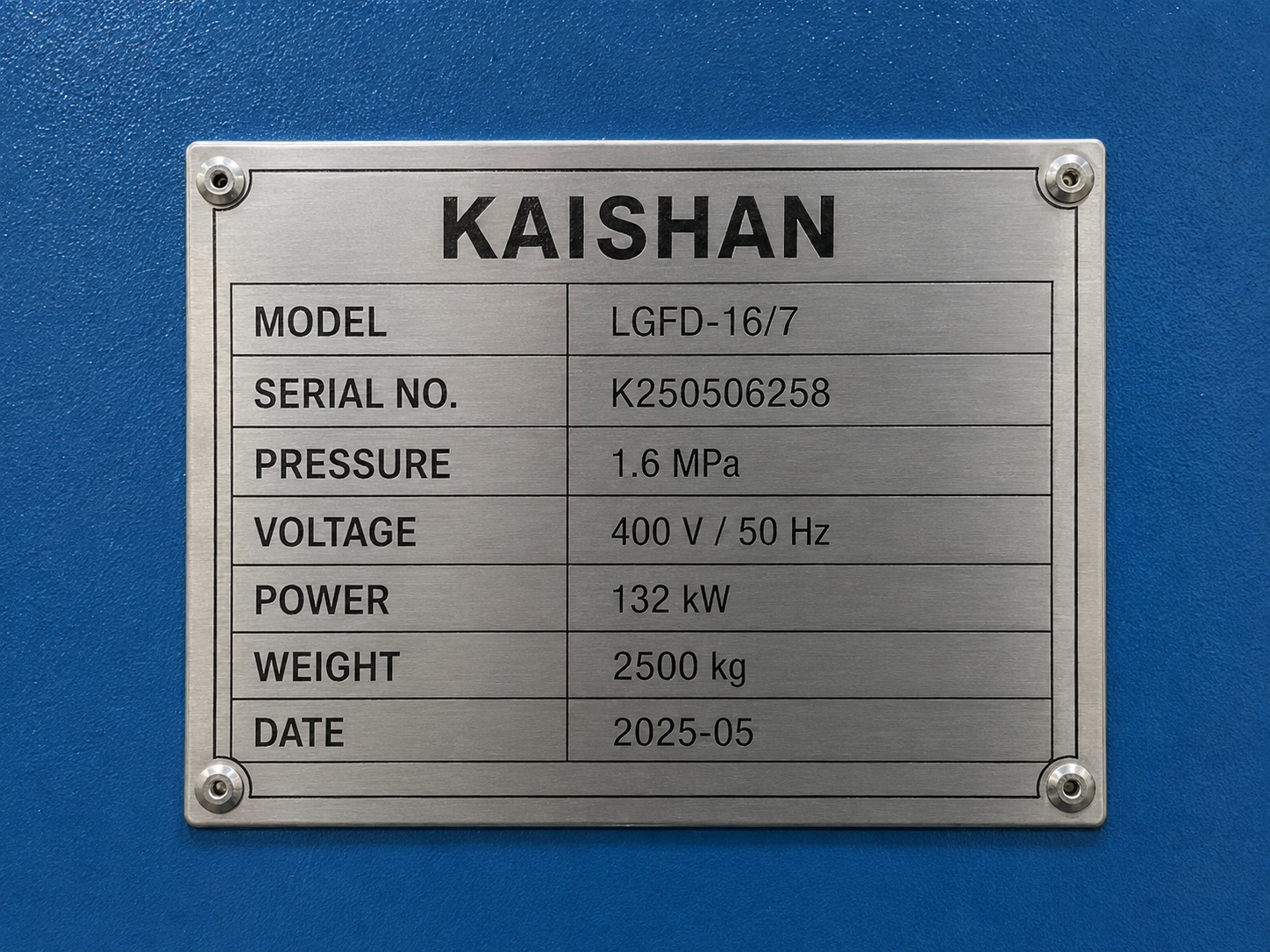
Model, pressure, air delivery, motor or engine, voltage.

Used equipment may have differences in operating hours, component condition, maintenance history, accessories and technical configuration. A structured inspection helps buyers understand the available condition before approving purchase, repair, packing or shipment.
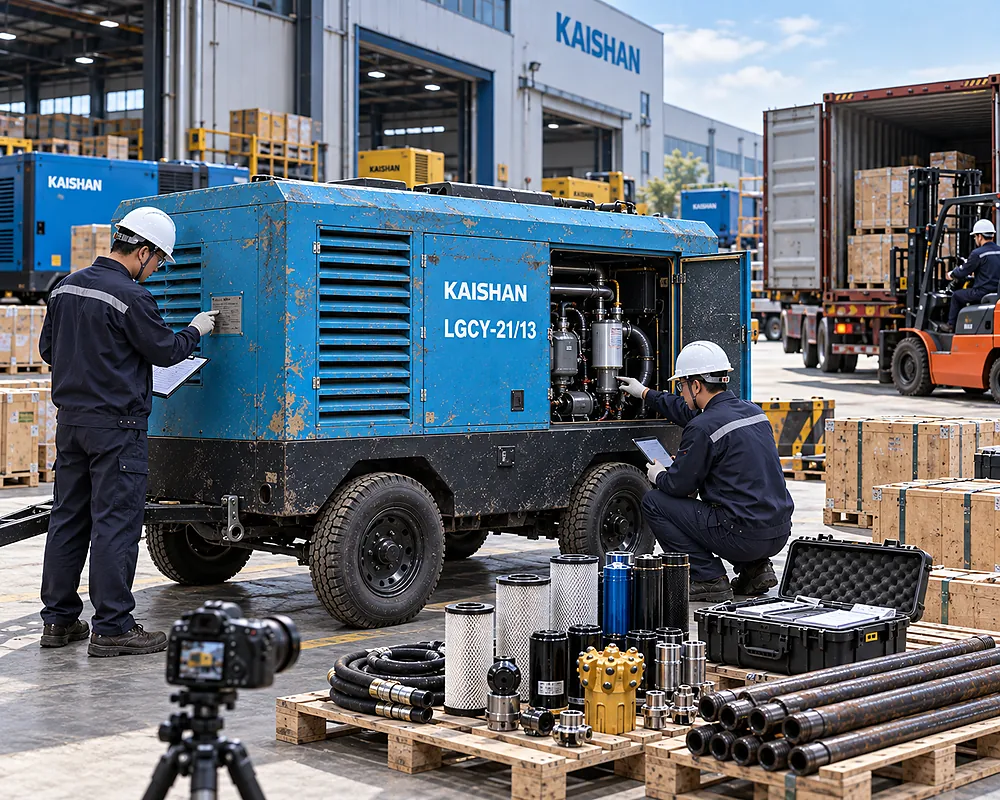
| Inspection Area | Typical Check |
|---|---|
| Equipment Identity | Model, serial number, production information and available nameplate details |
| Equipment History | Displayed operating hours and available maintenance or service records |
| Exterior Condition | Visible damage, corrosion, deformation, repainting and overall completeness |
| Technical Configuration | Main specifications and actual installed configuration |
| Main Components | Compressor, motor, engine, hydraulic, drilling and control components |
| Control System | Displays, switches, alarms, indicators and available control response |
| Fluid Condition | Visible oil, coolant, fuel or hydraulic leakage |
| Wear Components | Visible condition of hoses, seals, tracks, drill components and other wear parts |
| Basic Operation | Startup and basic operating response where conditions allow |
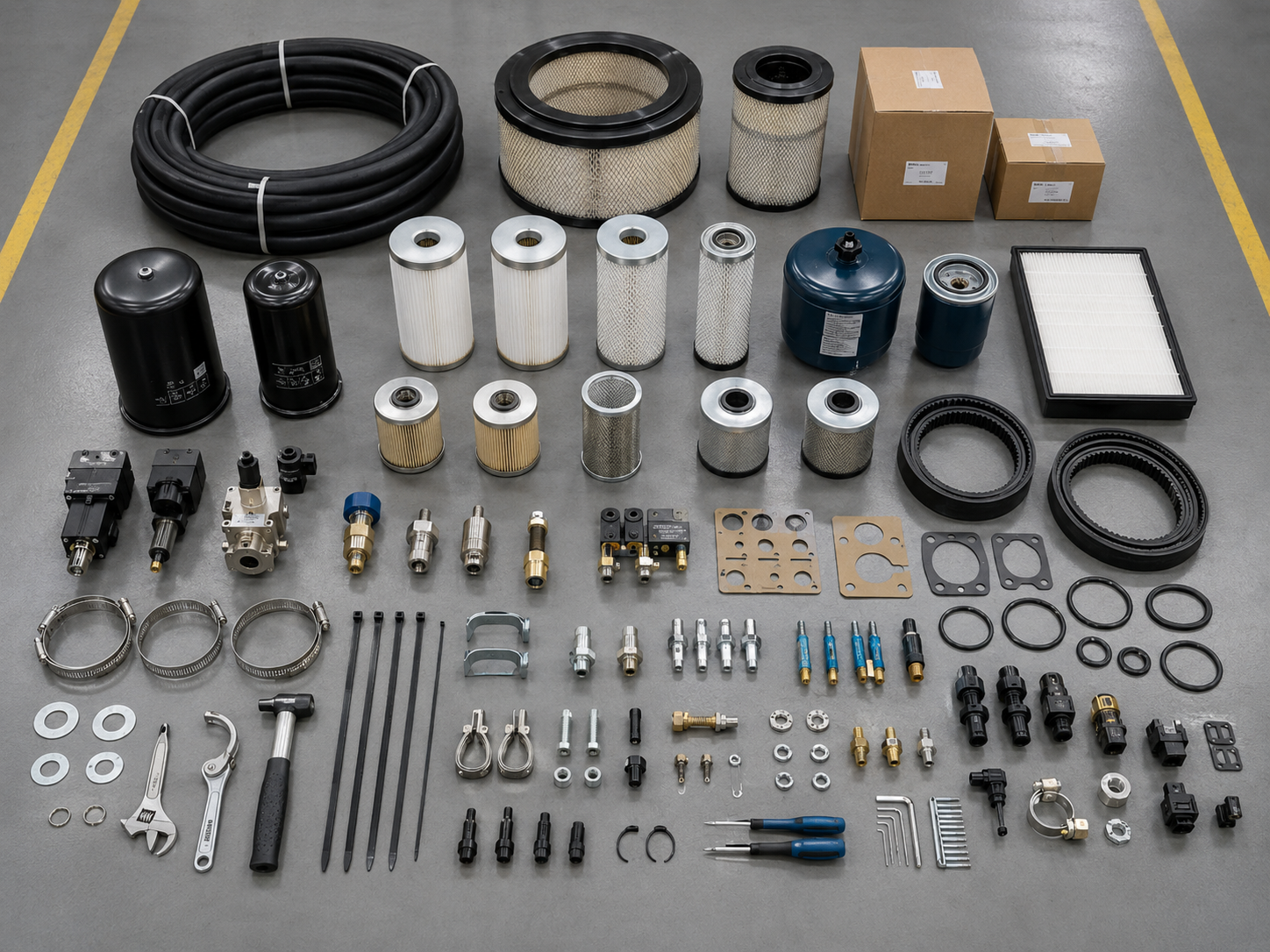
| Accessories | Included tools, spare parts, consumables and optional equipment |
| Documentation | Available manuals, maintenance records and equipment documents |
Model, pressure, air delivery, motor or engine, voltage.
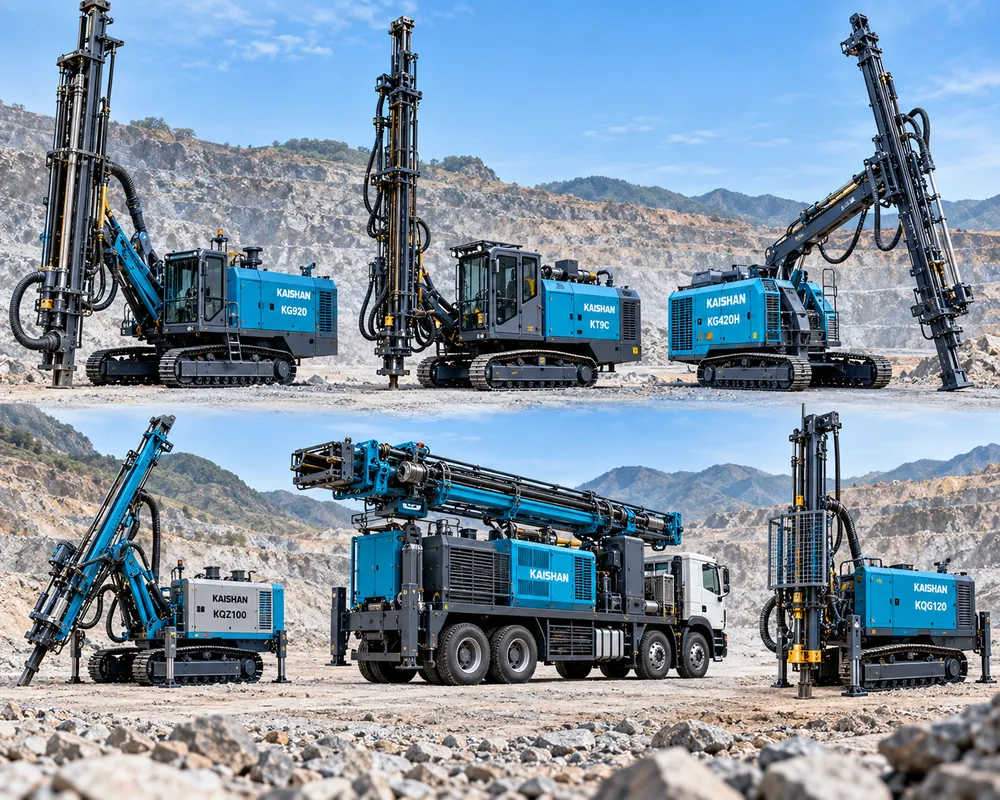
Drilling configuration, engine, hydraulics, mast and tracks.
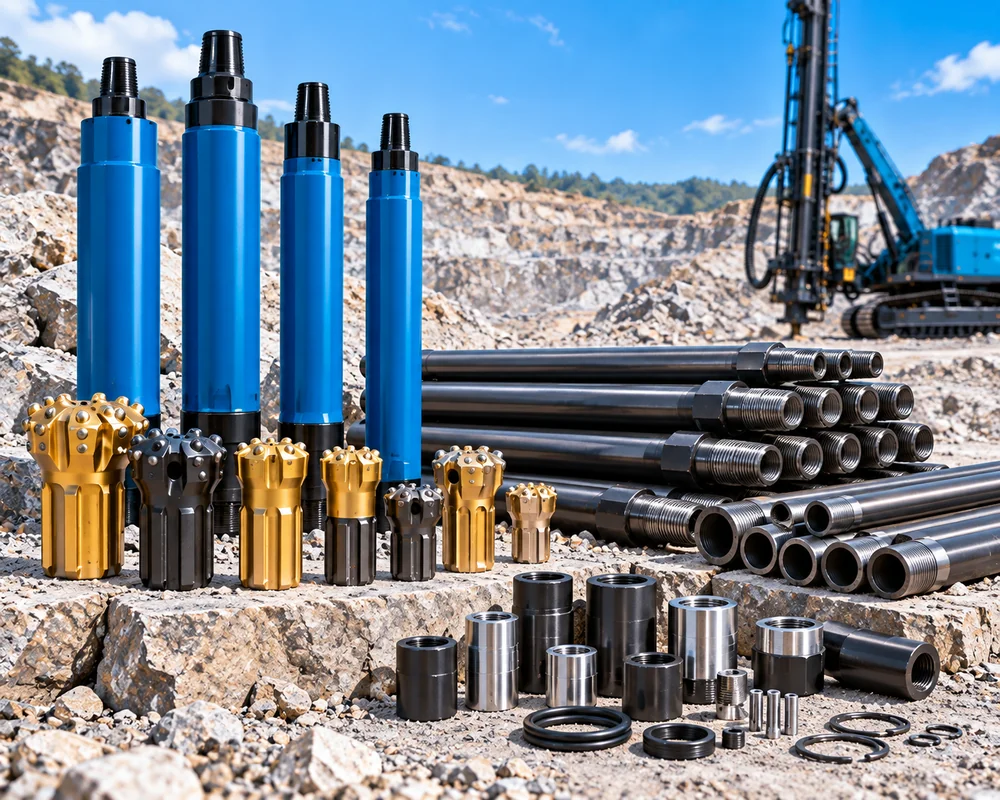
Hammer, drill bit, rod diameter, thread and quantity.
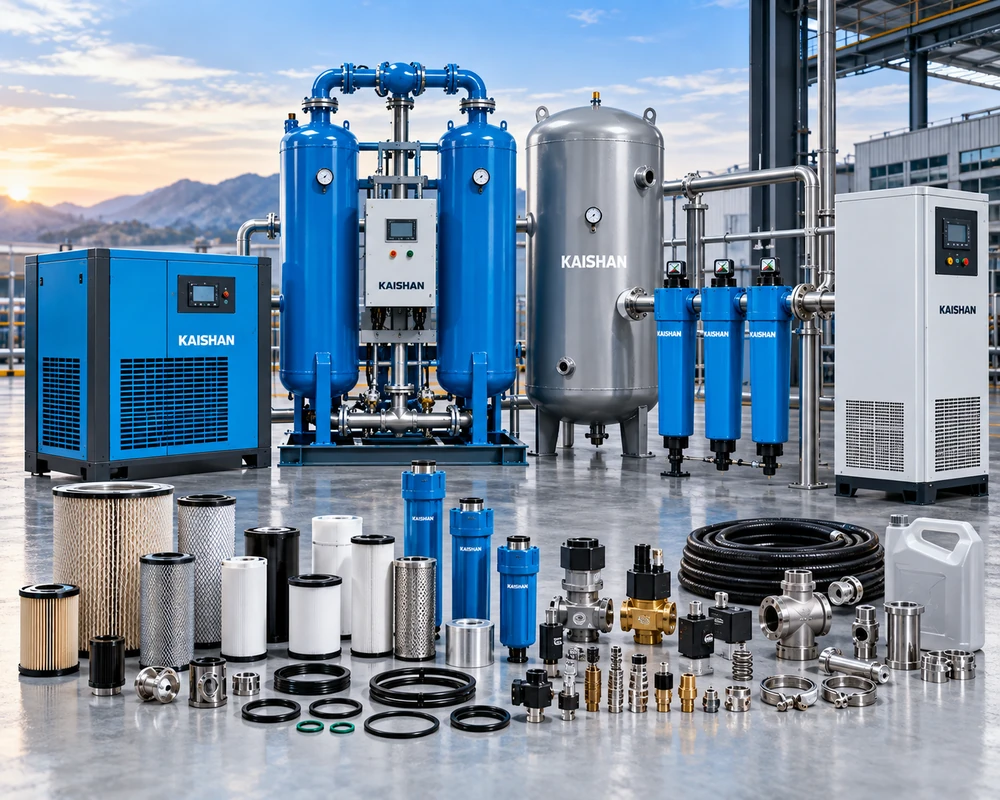
Air-treatment systems, parts, consumables and accessories.
Confirm
Scope
Review
Records
Verify
Identity
Inspect
Condition
Conduct
Tests
Record
Findings
Share
Results